
AI in Motion: Smarter Route Optimization for Leaner Logistics Costs
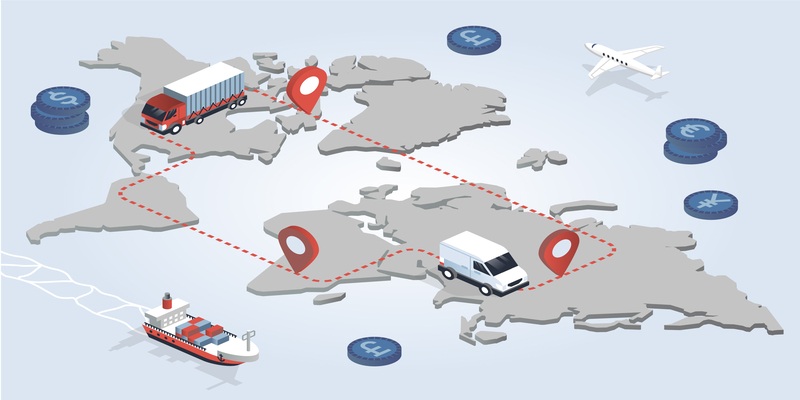
Transportation planning has always been about moving goods from A to B as efficiently as possible. But even the most advanced planning systems still relied on human planners comparing options, weighing carrier preferences, and manually adjusting routes – leaving room for costly decisions to slip through unnoticed. AI route optimization logistics changes that entirely. By learning from historical shipment data, carrier performance patterns, and real-time network conditions, AI does not replace transportation planning – it makes every planning decision smarter, faster, and measurably leaner before a single truck leaves the dock. Why AI Is Revolutionizing Transportation Route Planning The hidden cost of traditional transportation planning is not the routes that go wrong – it is the small inefficiencies that quietly accumulate across hundreds of shipments. Trucks running half-full. Costlier carriers selected when better options existed. Consolidation opportunities missed because planners were managing too many variables simultaneously. Across a large distribution network, these small misses do not stay small. They compound into significant cost leakage – and because they happen gradually and across many individual decisions, they are nearly impossible to detect and correct without AI. Smart route planning AI enterprise addresses this at the source. Instead of planners catching inefficiencies after the fact, AI surfaces the optimal decision before it is made – factoring in carrier reliability, lane performance history, load consolidation opportunities, fuel cost, and delivery time commitments simultaneously. The shift is from overspend to smart spend – and it happens at every shipment, across every lane, at scale. How AI Algorithms Optimize Routes in Real Time How AI optimizes transportation routes to reduce logistics costs operates across three layers of intelligence working together: Historical Pattern Learning AI analyzes past shipment data – which carriers consistently overcharge, which lanes underperform on delivery reliability, which consolidation patterns reduce cost without compromising service levels. These patterns become the baseline for every future routing decision. Real-Time Constraint Processing Traffic conditions, weather events, carrier capacity availability, and delivery time windows are processed in real time – adjusting route recommendations dynamically as conditions change rather than locking planners into static plans built hours earlier. Load Consolidation Intelligence One of the highest-value outputs of AI-powered smart routing for supply chain Oracle is load consolidation. Instead of shipping product lines separately on individual runs, AI identifies consolidation opportunities automatically – combining compatible shipments onto fewer vehicles across optimized sequences. Practical Example: A distribution hub managing tablets, smartphones, and laptops shipping to multiple locations: Before AI: Every product line shipped separately from the hub to each location – duplicated trips, higher fuel costs, inefficient carrier utilization After AI: Consolidation routes automatically generated – Tablets → Smartphones → Laptops combined in a single optimized run, with secondary consolidations identified across remaining lanes Key Insight Same deliveries. Fewer trucks. Optimized miles. Lower cost per unit shipped Oracle TMS + AI: Smarter Routing Built Into Your Supply Chain Oracle Transportation Management System (TMS) has AI and ML capabilities built directly into its planning and execution layer – meaning AI route optimization is not a separate tool bolted onto your existing process. It operates within the same environment your planners already use. Key Oracle TMS AI capabilities for logistics optimization include: AI-powered route scoring – every route option is scored against cost, reliability, and service level simultaneously before planners select Carrier performance memory – the system retains carrier track record data and factors it into future routing recommendations automatically Multi-modal optimization – AI optimizes across road, rail, air, and ocean freight within a single planning interface Freight cost prediction – Oracle transportation management AI optimization predicts total freight spend per route before commitment, surfacing savings opportunities proactively Automated consolidation suggestions – load consolidation opportunities are surfaced automatically, reducing the manual effort of shipment grouping For enterprises already running Oracle SCM Cloud, Oracle TMS AI activation is a configuration exercise within the existing platform – not a new implementation from scratch. Cost Reduction Outcomes: Real Numbers from AI Route Optimization The business case for AI transportation cost reduction Oracle is well-documented across enterprise deployments: Enterprises typically see 10–25% reduction in transportation costs with AI-powered routing across established networks Up to 30% improvement in on-time delivery performance as AI routing accounts for carrier reliability alongside cost Significant reduction in empty miles through load consolidation intelligence – directly reducing fuel spend and carrier utilization cost Planner productivity gains as AI pre-optimizes route options, reducing the time planners spend manually comparing alternatives before each shipment cycle Elimination of repeat costly decisions – AI remembers which lanes and carriers consistently underperform and avoids repeating expensive patterns For AI for last-mile delivery cost reduction enterprise, the compounding effect of consistent AI-driven decisions across high shipment volumes delivers savings that grow proportionally with network scale. Use Cases: Retail, Manufacturing, and Distribution Logistics AI Retail and E-Commerce High shipment frequency and tight delivery windows make AI route optimization essential for retail logistics. AI consolidates outbound shipments, optimizes carrier selection across last-mile networks, and reduces the cost per delivery on high-volume SKU movements. Manufacturing and Industrial Inbound raw material and component logistics benefit from AI lead-time-aware routing – ensuring production schedules are not disrupted by carrier reliability failures on critical supply lanes. FMCG and Consumer Goods Fast-moving product distribution requires balancing cost and speed across dense delivery networks. AI identifies consolidation opportunities across SKUs and delivery zones, reducing transportation spend without compromising shelf availability. Third-Party Logistics (3PL) 3PL providers managing multi-client networks use AI route optimization to maximize fleet utilization across clients – improving margin on every route while maintaining client-specific service level commitments. Distribution and Wholesale Multi-location distribution hubs use leaner logistics costs with AI route planning to reduce duplicated runs across overlapping delivery zones – consolidating shipments intelligently and cutting total fleet kilometers without changing delivery commitments. Getting Started with Oracle AI Transportation Management Rapidflow is an Oracle Partner with expertise in Oracle SCM and Transportation Management System AI implementations. Our approach to Oracle TMS AI deployment covers: Oracle TMS environment assessment and AI route optimization readiness
Read More »